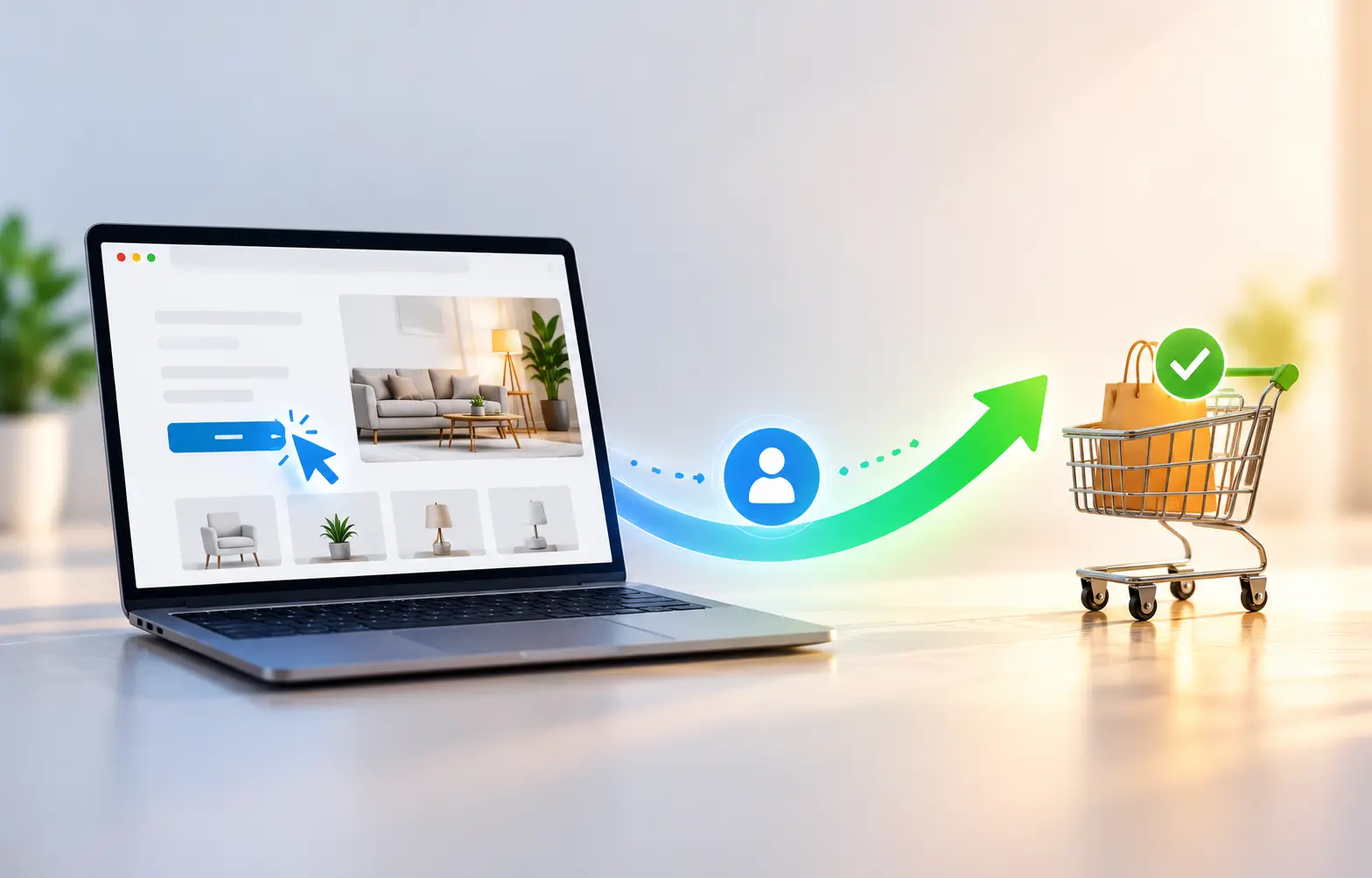


Determine Whether the Problem Is Traffic Quality or Conversion
High website traffic does not always mean you are reaching potential customers. Review visitors from organic search, paid ads, social media, and other channels. If visitors are irrelevant, improve your targeting and keywords. If the right audience visits but does not enquire, review your landing pages, offers and CTAs. This helps you focus your marketing efforts on attracting qualified leads.
Optimize Landing Pages to Match Visitor Intent
Align Landing Page Content with Your Marketing Campaigns
Your landing page should align with the message of your advertisement or marketing campaign. For example, an ad promoting SEO services should lead to a page explaining those services, their benefits, and the next steps. This consistency helps visitors find relevant information quickly and builds confidence in your business.
Communicate Your Value Proposition Clearly
Visitors should understand what you offer, who you help, and why they should choose your business. Avoid vague claims and focus on clear benefits. Explain how your services address customer problems, support business goals, or save time. Add relevant case studies and customer testimonials to support your message and help visitors make informed decisions.
Use Relevant Calls to Action for Different Buying Stages
Not every visitor is ready to buy immediately. Some need helpful information, while others want a quote or consultation. Match your calls to action to their needs. Use options such as “Read Our Guide,” “Explore Our Services,” or “Request a Quote.” Clear CTAs help visitors take the next step without feeling pressured.
3. Convert Visitors into Leads with Relevant Offers
Create Lead Forms That Are Easy to Complete
Long forms can discourage visitors from sharing their details. Ask only for essential information, such as their name, email address, and enquiry. Use clear labels and make sure the form works well on mobile devices. A simple form helps convert visitors into leads by making it easier for interested people to contact your business.
Offer Valuable Resources, Consultations or Product Demonstrations
Give visitors something useful in return for their contact details. You could offer a downloadable guide, a free consultation, a website review or a product demonstration. Choose an offer that solves a real problem for your target audience. Relevant resources help build trust and convert visitors into leads by encouraging potential customers to take the next step.
Create Dedicated Landing Pages for High-Intent Visitors
Visitors searching for a specific service often need focused information before making a decision. Create dedicated landing pages that explain the service, its benefits, your experience, and the next steps. Include relevant testimonials, answer common questions, and add a clear CTA. These targeted pages help convert visitors into leads by making it easier for interested people to enquire with confidence.
4. Build Trust Before Asking Visitors to Take Action
Showcase Customer Testimonials and Relevant Case Studies
Customer testimonials and case studies help visitors understand your experience and the results you have achieved. Share genuine feedback, explain the client's original problem, and describe how your services helped. Use relevant examples that match your target audience. Real evidence builds credibility and helps visitors feel more confident about contacting your business.
Address Common Customer Questions and Objections
Visitors may hesitate because they have questions about pricing, delivery time, service scope, or ongoing support. Address these concerns through clear website content and FAQs. Explain your process, outline what customers can expect, and provide honest answers. When people find the information they need, they can evaluate your services and make informed decisions.
Demonstrate Expertise Through Helpful, Evidence-Based Content
Publish useful blogs, guides, and articles that answer questions your target audience often asks. Support your advice with reliable sources, practical examples, and relevant industry knowledge. Avoid unsupported claims and keep information accurate. Helpful content demonstrates your expertise, builds trust with potential customers, and encourages them to explore your services when they need professional support.
5. Use Retargeting to Bring Interested Visitors Back
Segment Audiences Based on Their Website Behaviour
Group visitors based on the pages they viewed and the actions they took. For example, people who visited a service page may need more information, while those who viewed pricing may be closer to making a decision. Audience segmentation helps you create relevant campaigns and convert visitors into leads by customizing messages to their interests.
Create Relevant Ads for Different Visitor Groups
Show ads that reflect what visitors previously explored on your website. Someone who read an SEO blog may respond to a helpful guide, while a visitor who viewed your services may prefer a consultation offer. Relevant advertisements keep your business in mind and encourage interested people to return when they are ready to take action.
Align Retargeting Messages with Landing Page Content
Make sure your retargeting ads lead to pages that match their message. If an ad promotes a website review, direct visitors to a page explaining the review and how to request it. Consistent messaging reduces confusion, improves the visitor experience, and makes it easier for interested people to continue their journey towards becoming customers.
Nurture Leads Until They Are Ready to Become Customers
Send Follow-Up Emails Based on Visitor Actions
Send emails based on what visitors do on your website. For example, someone who downloads a guide could receive related tips, while someone who requests a quote may need a direct follow-up. Personalised emails keep your communication relevant and help move interested prospects towards an enquiry or purchase.
Share Helpful Content That Supports Buying Decisions
Help potential customers make informed decisions by sharing useful guides, case studies, service comparisons and answers to common questions. Focus on the concerns they may have before buying. Relevant content builds confidence in your business and helps convert visitors into leads by encouraging interested readers to explore your services or contact your team.
Align Marketing Follow-Ups with Your Sales Process
Marketing and sales teams should work together to guide leads towards a purchase. Define when a lead is ready for a sales conversation and agree on how quickly your team should respond. Use a CRM system to track enquiries, record interactions and plan follow-ups. This helps your team focus on qualified prospects and improve conversion opportunities.
Improve Your Strategy for Converting Website Visitors to Leads
Track Form Submissions, Calls and Other Conversion Actions
Track how visitors interact with your website, including form submissions, phone calls, email clicks, and purchases. These actions show which pages encourage people to take the next step. Tracking these activities helps you understand converting website visitors to leads and identify areas that need improvement. Use analytics tools to review results and make informed decisions.
Analyse Landing Page and Campaign Performance
Review your landing pages and marketing campaigns to understand what attracts visitors and generates enquiries. Check traffic sources, bounce rates, conversion rates and cost per lead. Compare results across different campaigns to identify what works best. This helps you focus your budget on effective channels and improve pages that receive traffic but generate few leads.
Test Different Calls to Action, Forms and Messages
Test different calls to action, form lengths, headlines, and messages to see what encourages visitors to respond. For example, compare “Get a Free Quote” with “Talk to Our Team”. Change one element at a time and measure the results. Regular testing helps you understand visitor preferences and improve your website's ability to generate qualified leads.
How to Measure Website Visitor-to-Customer Conversion
Visitor-to-Lead Conversion Rate
This measures the percentage of website visitors who become leads by completing a form, requesting a quote, or contacting your business. A higher rate may indicate that your website encourages visitors to take action.
Lead-to-Customer Conversion Rate
This shows the percentage of leads who eventually become paying customers. It helps you understand how effectively your sales team follows up with enquiries and turns potential buyers into customers.
Landing Page Conversion Rate
This measures the percentage of visitors who take a desired action on a specific landing page. It helps you identify which pages generate more enquiries, registrations or sales.
Number of Qualified Leads Generated
Track how many enquiries come from people who match your target audience and have a genuine interest in your products or services. This helps you assess lead quality rather than focusing only on enquiry numbers.
Sales Generated from Website Enquiries
Measure the revenue earned from customers who first contacted your business through the website. This helps you understand how website traffic contributes to sales and business growth.
Conclusion
Every visitor who leaves without taking action is a missed opportunity to grow your business. If your website attracts traffic but fails to generate enquiries or sales, waiting for results will not solve the problem. You need a strategy that turns visitor interest into measurable business growth. Webomindapps helps businesses attract the right audience and turn website traffic into meaningful conversions. Contact us today to strengthen your digital marketing strategy and generate more business opportunities.